
If you’re a business owner and you don’t know these four fundraising methods, you’re already at a disadvantage.
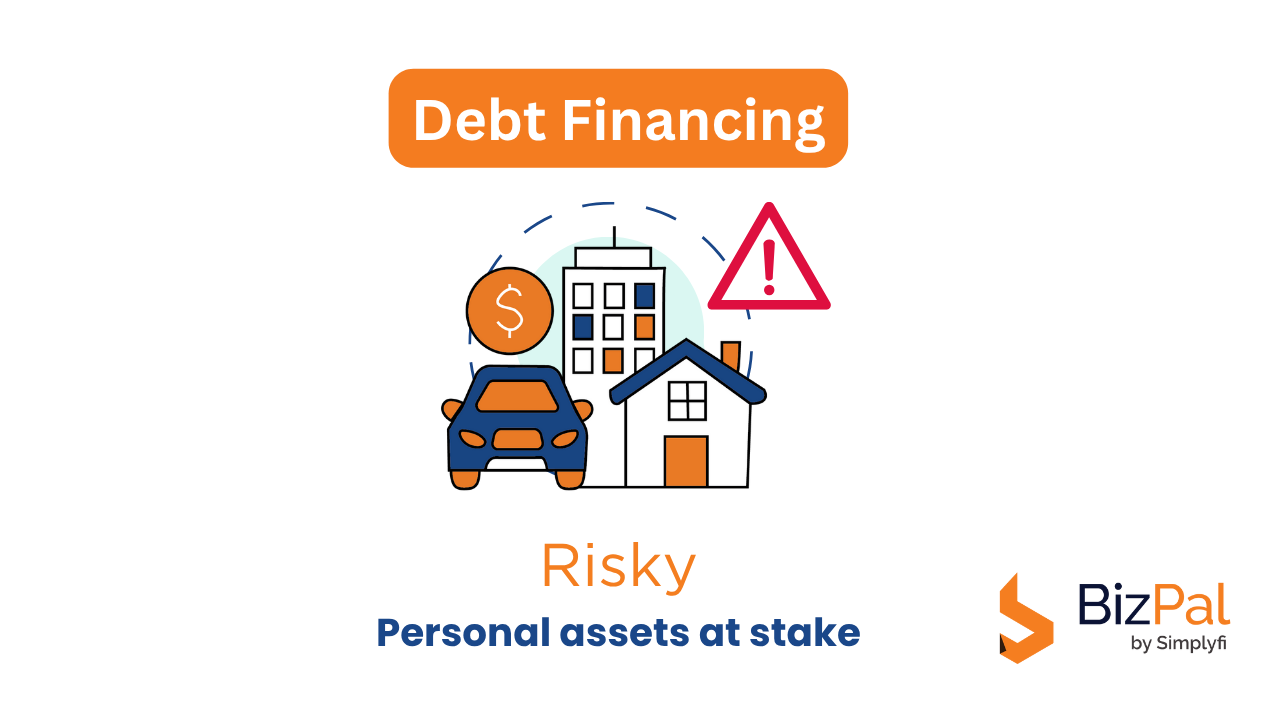
1) Debt Financing
The simplest and most common way many new entrepreneurs think about funding is mortgaging assets such as their car, home, or personal savings, often combined with borrowing from friends and family. In fact, 90% of new business owners start this way.
What they don’t realize is that this is actually the worst and riskiest method. If the business fails, not only will the bank or financial institution take your assets, but you could also face legal consequences.
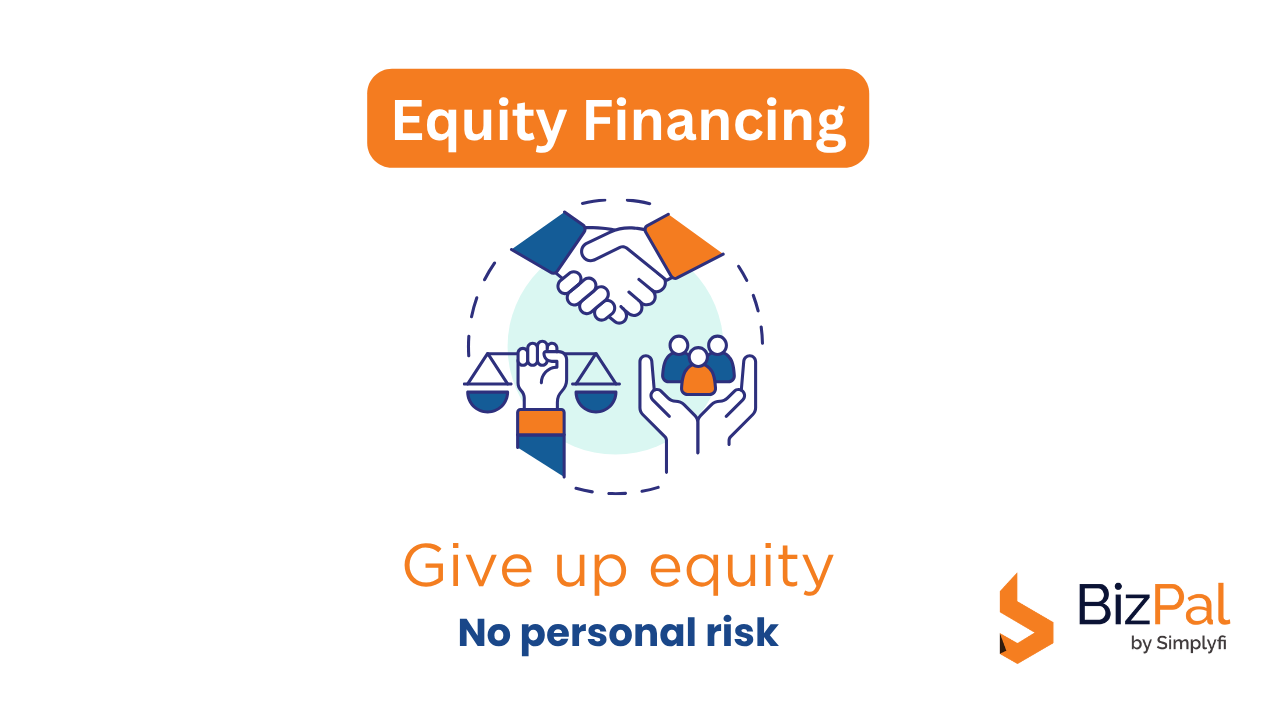
2) Equity Financing
This method involves preparing a pitch deck and presenting it to potential investors. You convince them how their $500K investment could grow into $1 million. In return, you give up, say, 20% of your company’s equity.
If your company indeed earns $1 million in profit, 20% (or $200K) goes to the investor, and you keep $800K. If the business doesn’t succeed, the investor loses money, but you are not personally liable.
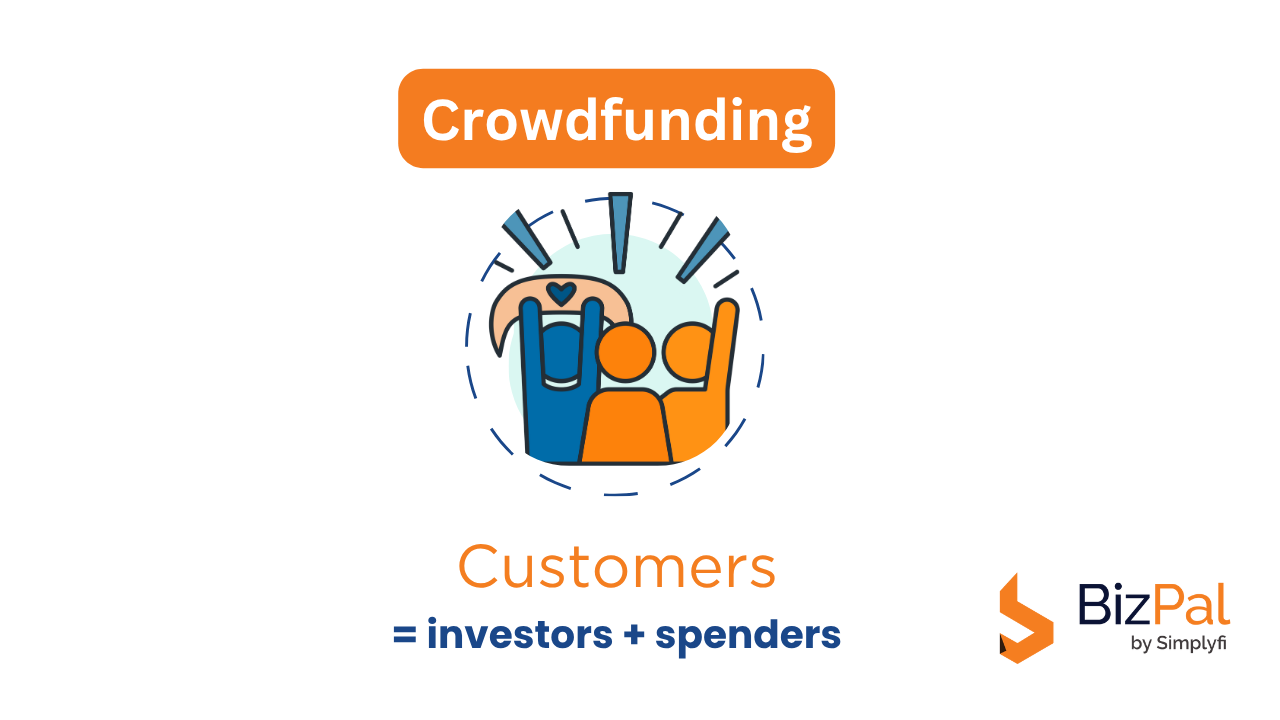
3) Crowdfunding
Many celebrities use this model. For example, a celebrity opens a club and sells 49% of shares to 49 customers, each investing $10K. These customers become Class B investors with no voting rights but with profit-sharing rights. Collectively, they own 49% of the company and share 60% of the profits, while the celebrity retains 51% ownership but only 40% of the profit share.
Why would customers want to invest? Because they receive $10K worth of vouchers to spend in the club, whether personally or shared with friends. The celebrity, in return, secures 49 committed customers and raises $490K in cash. These investors are not only shareholders but also guaranteed high spenders.
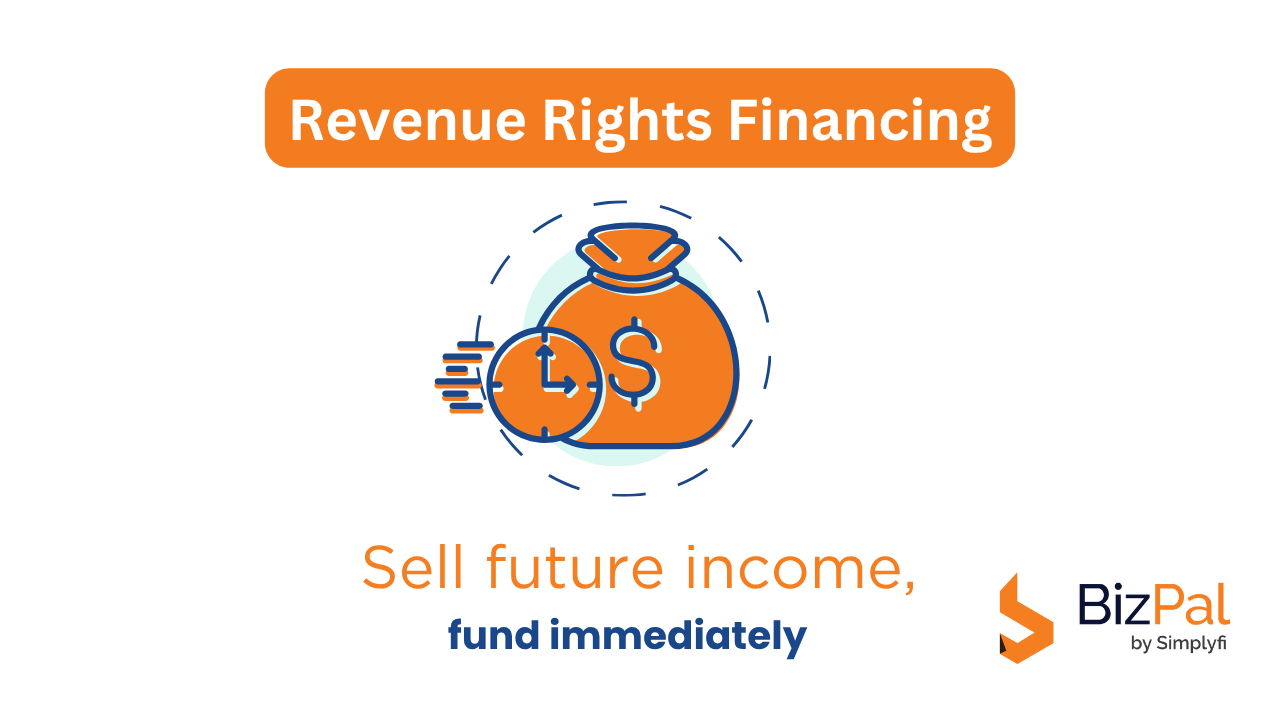
4) Revenue Rights Financing
In this model, a company sells the rights to future revenue in exchange for immediate cash.
Imagine a celebrity whose last movie grossed $200 million and personally earned her $10 million. Confident her next film will also be a success, she convinces investors to buy her future earnings at a discount, for example $5 million upfront in exchange for a right to $10 million once the movie is released.
Why would she sell at half the price? Because she gets the funds immediately, while investors only see returns after release, sometimes years later. She then reinvests this $5 million into a production company and secures 20% equity. When the new film becomes a blockbuster, the production house valuation soars, and her stake is suddenly worth $40 million.
By leveraging future income, she not only funded her project without risk, but also multiplied her gains far beyond her original salary.
This is the power of financial strategy. There are smarter, safer, and more creative ways to raise funds than simply mortgaging your home or draining your savings.
Business is no longer just about hard work. It’s about knowing how money works for you. The right financing strategy can mean the difference between scaling confidently and risking everything.
That’s why we built BizPal — to empower entrepreneurs with financial clarity and help them raise funds smarter. If you would like to explore how these strategies can apply to your business, reach out and let’s start the conversation.
Never miss the news
Stay updated | Stay current | Stay connected
Thank you!